

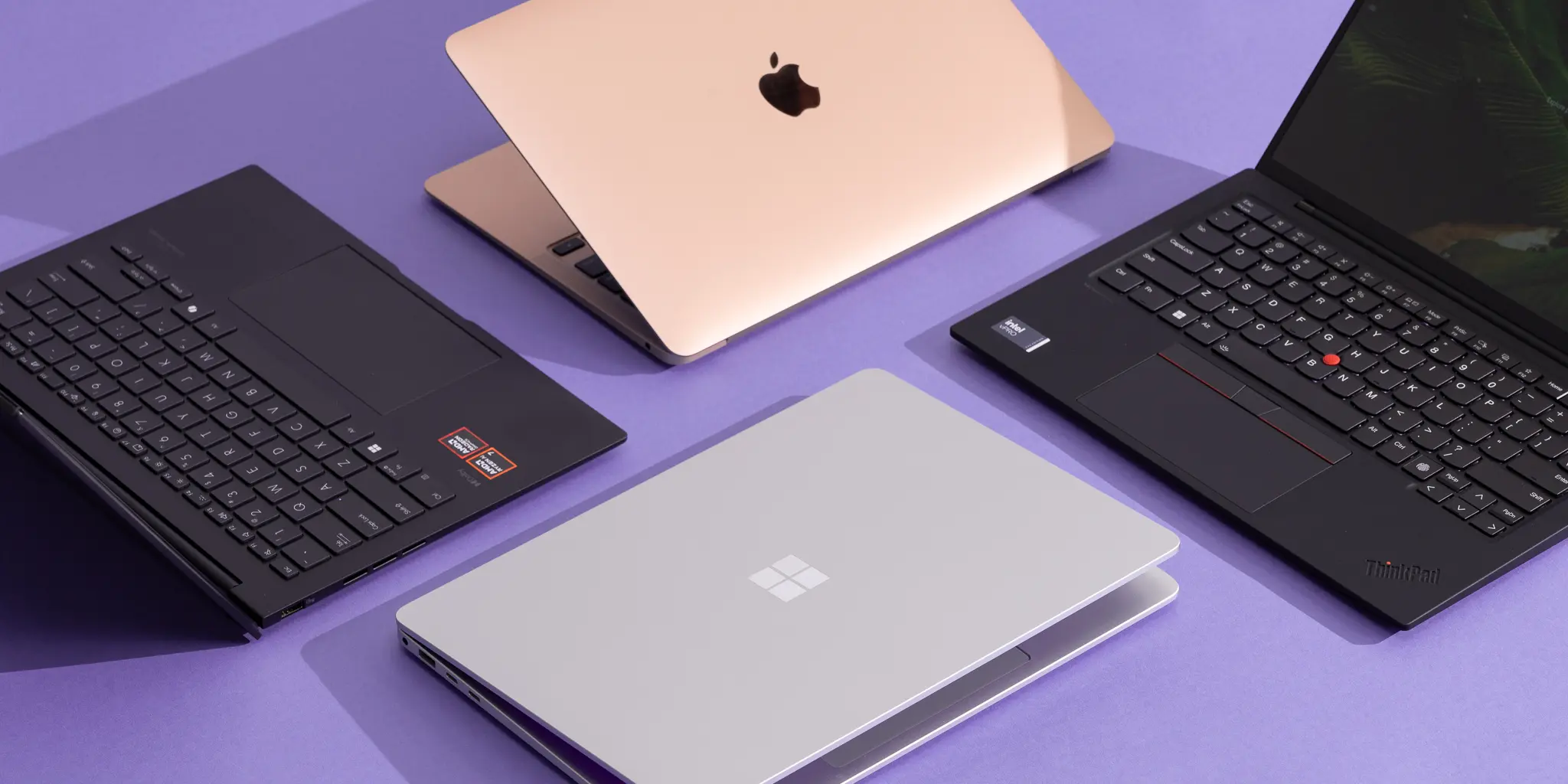
Today’s selection of the best laptops is more thrilling and challenging than ever. With numerous brands, high-performance processors, AI-enabled capabilities, and stylish designs in the market, selecting the right laptop involves much more than just comparing prices. If you’re finishing a class online, working remotely, playing games to ensure you have high frame rates, or are a video editor, there’s a laptop that’s right for you.
This guide provides answers to the most frequently asked questions about the top laptops and will help you decide what you should look out for before buying a laptop.
What Makes the Best Laptops Stand Out?
The ideal laptop should be both powerful and lightweight, have a long battery life, have a good screen, and be durable. Some people want the speed of the app for specific purposes; others may want something light, or they may want to use the app for a long duration while the battery lasts.
New processors from Intel, AMD, and Apple make modern laptops much more efficient. The increased speed of the SSDs, enhanced graphics, and AI-assisted features have made everyday computing smoother.
The best laptop is to select one that works for your everyday work routine rather than just its specs. The needs of a college student are different than those of a software developer or professional video editor.
Which Laptop Is Best for Students?
Most students will require a combination of low cost, portability, and battery life. Laptops are used both in classes and in the library and can be taken home, so lightweight ones are sometimes preferred.
A successful pupil laptop should contain the following:
- At least 16GB RAM
- Faster performance with SSD storage.
- A Full HD display
- Up to 8-12 hours of battery life
- Comfortable keyboard
Many students also love rapid charging speeds and endurance to withstand everyday use.
Which Best Laptops Are Ideal for Office Work?
Workers can work for hours on documents, spreadsheets, presentations, email, and video conferencing programs. Hence, productivity computers have a focus on dependability and comfort.
For business users, there are often benefits of:
An HD display will decrease eye strain if you work long periods. The keyboard is comfortable to type on, which helps you type faster, and the processor is powerful enough to handle all those applications you’re running at once, without any lag.
Fingerprint readers, facial recognition, and hardware encryption are other security options that have become more significant to professionals.
How Important Is Battery Life?
One of the most important specifications to consider when looking for the best laptop is battery life.
With today’s laptops, you can now get 10 to 18 hours of battery life on a single charge with most applications. There is much better power management thanks to efficient processors and optimized operating systems.
Wherever you go, long battery life means no need to carry a charger. Long-lasting battery life is essential if you use your phone on a regular basis, for working remotely, or have classes during the day.
But if you are doing heavy gaming, video editing, and rendering, it will surely use more battery power no matter which laptop you are using.
What Processor Should You Choose?
The processor is the ‘brain’ of the laptop.
Today, the primary market is dominated by Intel, AMD, and Apple Silicon processors.
Intel chips are still great for business and productivity, while AMD chips may offer exceptional multi-core performance and value. Apple’s chips provide outstanding battery life and performance for creative users.
When it comes to a decision, a buyer should not just opt for the highest number of processors; the processors’ performance should also be matched with the buyer’s work.
How Much RAM Is Enough?
The RAM will decide whether or not your laptop can perform several tasks at once.
For most users:
- 8GB is suitable for most Internet and office applications.
- For common consumers, there is the new standard of 16GB.
Professionals who are involved in a big creative project, virtual machines, software development, or heavy multitasking will benefit from 32GB or more.
As software becomes more demanding every year, it’s worthwhile to invest in additional RAM to boost the useful life of a laptop.
Why Does SSD Storage Matter?
The rate at which the laptop can store data has a significant impact on nearly all aspects of laptop performance.
Laptops can use Solid State Drives (SSD) to:
- Boot in seconds.
- Run applications in no time.
- Transfer files rapidly.
- Improve overall responsiveness.
The minimum size of 512GB is a good standard these days, and creators/gamers might need to go for 1TB or more.
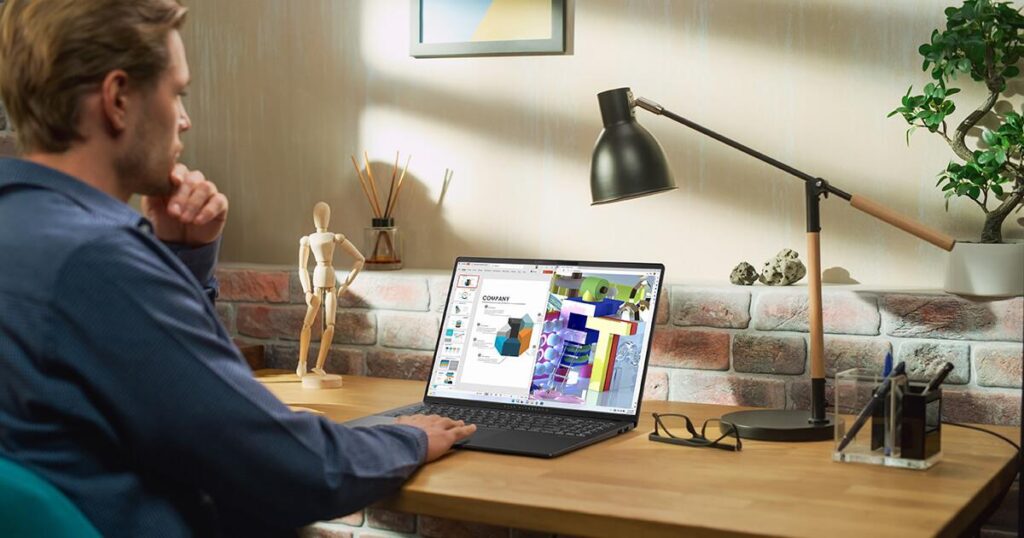
Which Display Features Should Buyers Look For?
One of the most prominent features of any laptop is the display.
The best laptops are bright, high-resolution, color-correct screens are generally the best.
Displays with top color accuracy are great for creative professionals, while higher refresh rates are better for gamers to ensure smoother gameplay.
Other features to consider are:
- Anti-glare coatings.
- Touchscreen support.
- OLED technology.
- High brightness for outdoor use.
- Thin bezels for a modern appearance.
A good display is good for productivity and entertainment.
Are AI Features Becoming Standard?
AI has transformed laptops in a swift manner.
Several new gadgets boast AI-enabled processors that can enhance the performance of the camera, reduce background noise, enhance battery efficiency, edit photos, and boost productivity.
These features are typically self-service and don’t need users to set up complex settings.
Looking forward, dedicated AI hardware will increasingly be used for more powerful and efficient processing, as AI software evolves.
How Much Should You Spend on the Best Laptops?
Budget is dependent upon the use.
For those who are just looking for a laptop for browsing, streaming, and editing documents, entry-level models are suitable.
Mid-range laptops offer great value for students, professionals, and laymen.
High-end notebooks provide more sophisticated displays, higher-performance processors, longer battery life, and a higher quality construction.
Many buyers end up getting more value from a machine that is just as capable as what they are using as one that’s more powerful than they can use, rather than paying for the best.
How Can You Make Your Laptop Last Longer?
It’s not enough to just purchase one of the best laptops available. Its useful life can be extended by proper maintenance.
Software Updates Enhance Security and Performance. Keeping the keyboard and vents clean helps to prevent dust from accumulating, and excessive heat will keep the components protected. A protective sleeve when traveling helps to minimize accidental damage risk.
Exposing batteries to extreme temperatures and charging them according to the manufacturer’s guidelines can help maintain their health.
Many fine quality laptops can run fine for five years and beyond if they are properly maintained.
Final Thoughts
When it comes to finding a laptop you want, you don’t have to sacrifice a top-notch price; it’s about working out what it is you like and how much you have to spend. Each user has their own priorities, and before making a wise purchase, it is important to know their needs, because they vary from student to professional, from gamer to creator.
Modern laptops have many features, including speed, efficiency and portability. There has never been a better time to buy a new device, with battery life, artificial intelligence, displays and performance enhancements. When evaluating different features and considering their value over time, you can make an informed decision to select a laptop that will meet your needs for years.
Frequently Asked Questions
1. What are the best laptops for everyday use?
The best laptops for everyday use offer a balance of performance, battery life, portability, and affordability. Models with 16GB RAM, SSD storage, and modern processors are ideal for most users.
2. How much RAM do I need in a laptop?
For most people, 16GB RAM provides excellent performance. Basic users may be comfortable with 8GB, while professionals often benefit from 32GB or more.
3. Is SSD better than HDD?
Yes. SSDs are significantly faster, quieter, more reliable, and improve overall system responsiveness compared to traditional hard drives.
4. Which laptop brand is considered the most reliable?
Apple, Dell, Lenovo, HP, ASUS, and Acer all manufacture highly reliable laptops. The best choice depends on your budget and intended use.