

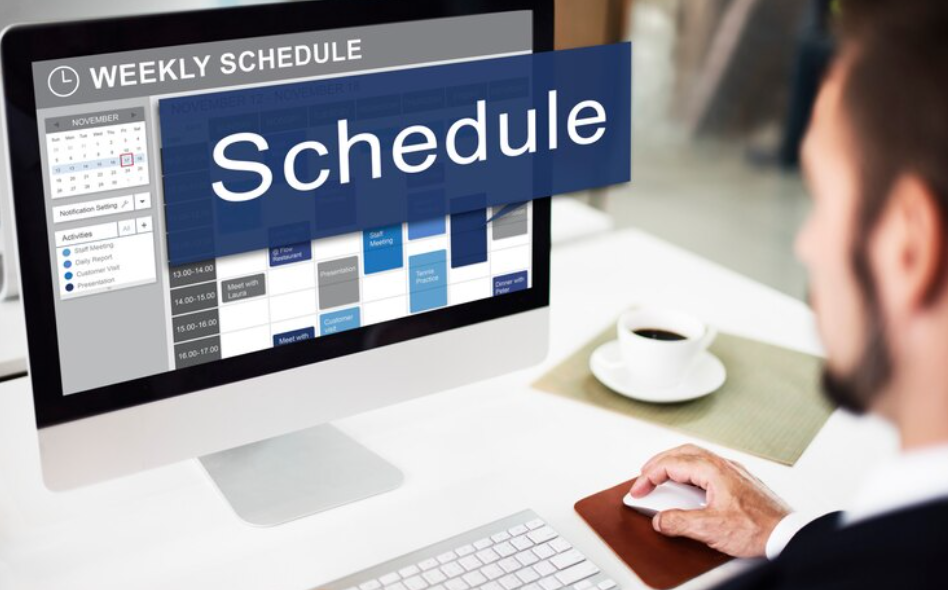
Emergency medical service teams work in a fast-moving environment where every minute matters. From responding to urgent calls to managing staff shifts and equipment checks, there are many responsibilities to handle every day. Without proper organization, important tasks can be missed, schedules can become confusing, and teams may not be fully prepared for emergencies. An EMS calendar tool helps emergency organizations manage their daily activities more efficiently while keeping teams informed and ready.
Improve Daily Scheduling with an EMS Calendar Tool
Emergency teams often work different shifts, including nights, weekends, and holidays. Managing these schedules manually can be difficult, especially when staff members request time off or shifts need to be changed quickly. An EMS calendar tool provides a clear view of work schedules, assignments, and important events in one place.
Team leaders can easily see who is working, which units are available, and where coverage may be needed. This organized approach helps reduce scheduling conflicts and makes it easier to maintain proper staffing levels. Employees can also check their schedules without relying on multiple messages, emails, or paper documents.
Keep Emergency Teams Prepared for Every Shift
Preparation is an important part of emergency response. Staff members need to know their responsibilities before a shift begins. An EMS calendar tool can help organize training sessions, staff meetings, vehicle inspections, equipment checks, and other important activities.
When these tasks are added to a shared calendar, team members have better visibility into upcoming responsibilities. This allows them to prepare in advance and helps supervisors make sure important activities are completed on time. Regular planning also supports better readiness during unexpected emergencies.
Improve Communication Across the Organization
Clear communication is essential for emergency service organizations. Changes to schedules, training sessions, meetings, and assignments need to reach the right people quickly. An EMS calendar tool can improve communication by providing a central place for important schedule information.
Instead of searching through different messages or documents, team members can view the latest updates in one organized system. This reduces confusion and helps ensure that everyone is working with the same information. Better communication can also support smoother teamwork during busy periods.
Manage Changes More Efficiently
Emergency service schedules can change at any time. A team member may call in sick, an emergency event may require additional coverage, or a shift may need to be adjusted. An EMS calendar tool makes it easier to update schedules and communicate changes quickly.
With a centralized calendar, supervisors can make adjustments while keeping the team informed. This helps reduce the risk of outdated schedules and makes it easier to respond to changing operational needs. Flexible scheduling is especially valuable for organizations that must remain ready around the clock.
Support Long-Term Planning and Readiness
An EMS calendar tool is useful for more than daily scheduling. It can also support long-term planning by helping organizations organize future training, certification renewals, drills, inspections, and major events.
Planning these activities ahead of time helps emergency teams avoid last-minute preparation. It also gives managers a clearer view of upcoming responsibilities and staffing needs. Over time, better planning can improve overall operational efficiency and team readiness.
Conclusion
Emergency teams need strong organization and preparation to provide effective service when people need help most. An EMS calendar tool brings schedules, assignments, training, inspections, and important events together in one accessible place. By improving visibility, communication, and planning, it helps emergency organizations manage daily responsibilities and prepare for unexpected situations. With better organization, teams can spend less time dealing with scheduling confusion and more time focusing on their essential emergency response duties.